to whom it may concern demographic differences in letters of recommendation
To Whom It May Concern: Demographic Differences in Letters of Recommendation
Letters of recommendation are a crucial component of various applications, including job, college, and graduate school admissions. These letters provide an opportunity for the recommender to highlight the applicant's strengths, skills, and accomplishments, and to express their confidence in the applicant's abilities. However, research has shown that demographic differences can influence the content and tone of letters of recommendation, potentially affecting the applicant's chances of success.
Studies have found that letters of recommendation for women and minority applicants often differ from those for white male applicants. For example, letters for women may be more likely to include communal or relational language, such as "helpful" or "team player," while letters for men may focus more on assertive or competitive traits, such as "ambitious" or "leader." Similarly, letters for minority applicants may be more likely to include language that emphasizes their ability to overcome obstacles or to work with diverse groups.
These differences in language and tone can have significant consequences for the applicant. For instance, letters that focus on communal traits may be viewed as less competent or less accomplished than those that emphasize assertive or competitive qualities. Moreover, letters that highlight an applicant's ability to overcome obstacles may be seen as implying that the applicant is not as capable or talented as others who have not faced similar challenges.
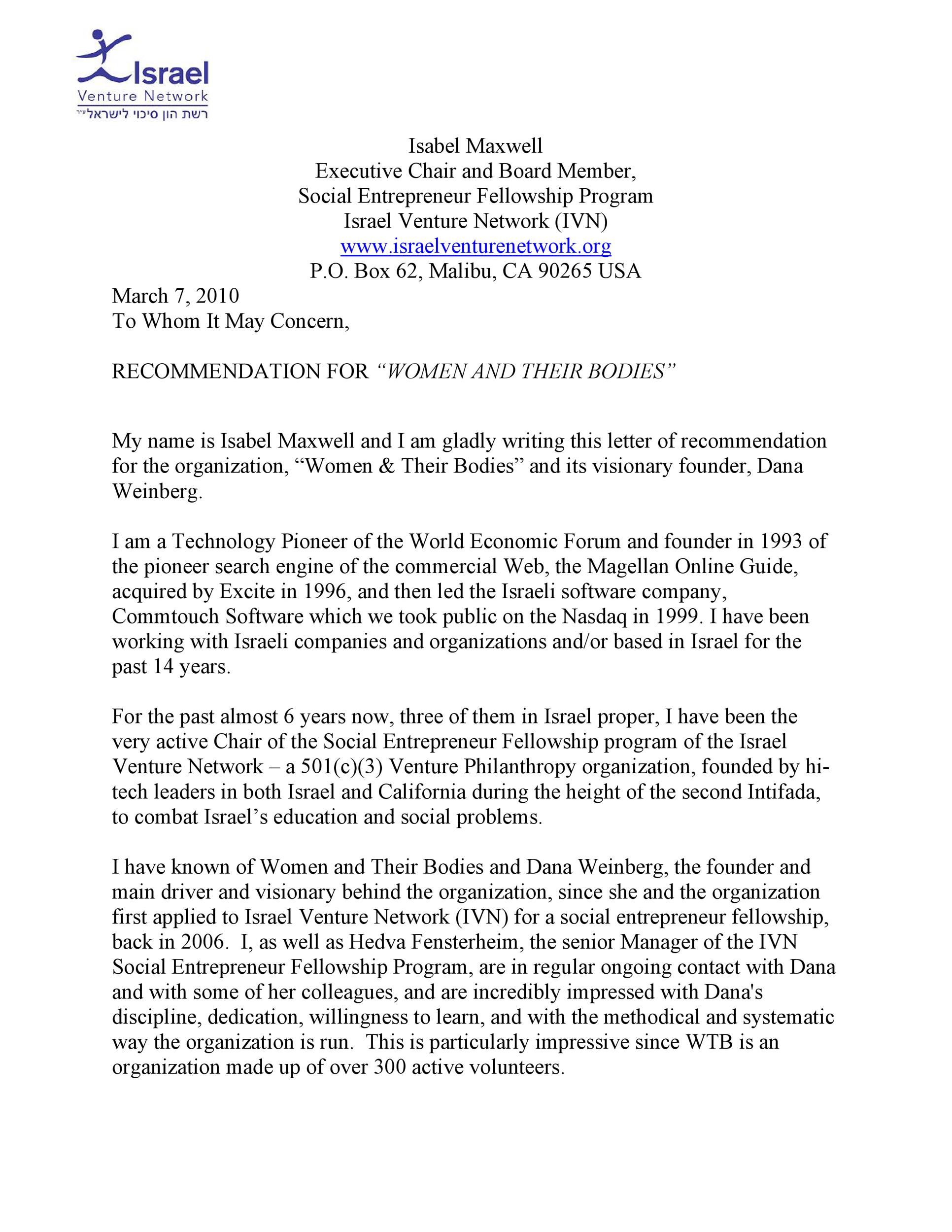
The differences in letters of recommendation can also be attributed to the recommender's own biases and assumptions. For example, recommenders may be more likely to view female or minority applicants as less competent or less capable, and to express these biases in their letters. Alternatively, recommenders may be more likely to focus on the achievements and qualifications of white male applicants, and to downplay or overlook the accomplishments of women and minority applicants.
Furthermore, the format and content of letters of recommendation can also vary depending on the applicant's field or industry. For example, letters for applicants in the sciences or engineering may focus more on technical skills and research experience, while letters for applicants in the arts or humanities may emphasize creative achievements and critical thinking skills. Additionally, letters for applicants in competitive or high-stakes fields, such as finance or law, may be more likely to include language that emphasizes the applicant's drive, ambition, and leadership abilities.
The impact of demographic differences on letters of recommendation is a complex issue, and one that requires further research and analysis. However, by recognizing and addressing these differences, we can work towards creating a more equitable and inclusive application process, where all applicants have an equal opportunity to succeed, regardless of their demographic background.
The disparities in letters of recommendation can lead to unequal opportunities for certain groups of applicants. To mitigate this issue, it is essential to develop strategies that promote fairness and consistency in the letter-writing process. This can involve providing recommenders with guidelines and training on how to write effective and unbiased letters of recommendation, as well as encouraging applicants to seek out recommenders who are familiar with their work and achievements.


Comments
Post a Comment